Partner · Sequoia Capital
Stephanie
Zhan
Partner, Sequoia Capital · Early-stage team
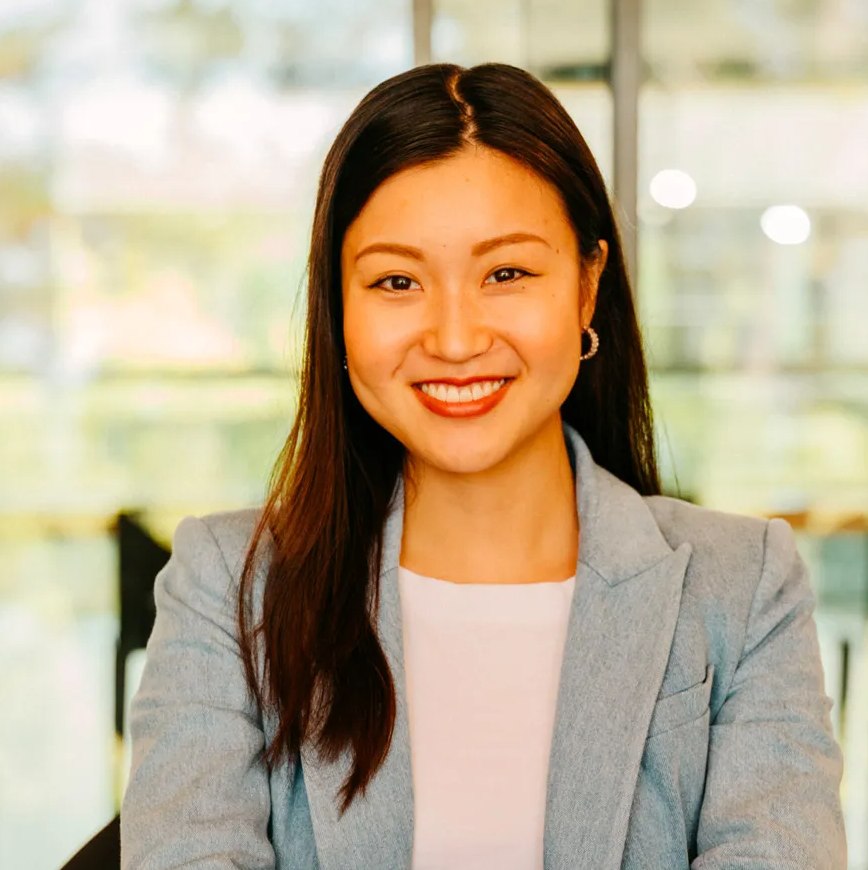
I back founders building toward an AI-defined future, partnering from a company's earliest days through its growth stages and beyond. I joined Sequoia in 2015 and hold a B.S. in Computer Science from Stanford.
About
About me.
As a child of the internet, I learned to code by building basic video games. Mesmerized by Silicon Valley, I came to Stanford to study Computer Science (in the early days of AI, under Andrew Ng) and immerse myself in this community. I loved it.
Shortly after, I was lucky to be at ground zero through a couple of friends who co-founded OpenAI together in 2015. I remember the sheer will and urgency, the passionate mission and vast vision that compelled them to make it real. In a short decade, I'm in awe of where we are today as an industry.
I genuinely believe we are living through the most exciting time in all of history. As a parent to young kids, I feel a deep sense of responsibility to shape it in a way that makes the world better for future generations. I love what we do, partnering with the most ambitious founders from idea to IPO and beyond, and I feel so grateful to do it every day.
Focus
How I partner.
Being your first believer.
Most of the founders I work with, and whose boards I serve on (Linear, Reflection AI, Ricursive Intelligence, Skild AI), we partnered with at company formation, with Sequoia as their first believer.
AI, the defining theme of the decade.
The scale of change and the velocity are unlike anything before. We are living through the most seismic period in history.
What I'm thinking about
- 01
What happens with coding agents like Claude Code and Codex in everyone's hands? How do this and the next generation wield these tools?
- 02
What happens when we have superintelligent AI colleagues across both the white-collar and blue-collar workforce?
- 03
What happens when AI is applied to every industry, gradually then suddenly? Which industries come next?
- 04
What critical infrastructure (energy, power, chips, data centers) do we need to support what's coming?
Portfolio & Board
Companies, from day one.
Linear
BoardStreamlined project planning and issue tracking for modern product teams.
→Reflection AI
BoardBuilding frontier open superintelligence.
→Ricursive Intelligence
BoardAI for chip design and semiconductor innovation.
→Skild AI
BoardPhysical superintelligence for robots.
→Mach Industries
Defense technology and hydrogen production systems.
→Middesk
BoardBusiness identity verification and compliance infrastructure.
→Tavus
AI-powered personalized video generation.
→
Media & Recognition
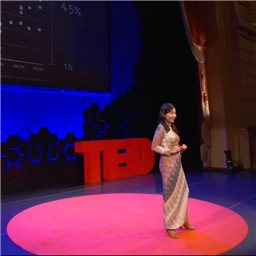
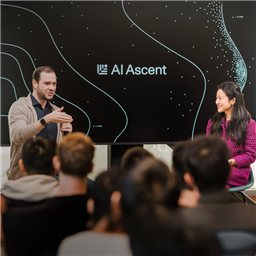
Selected appearances.


Writing